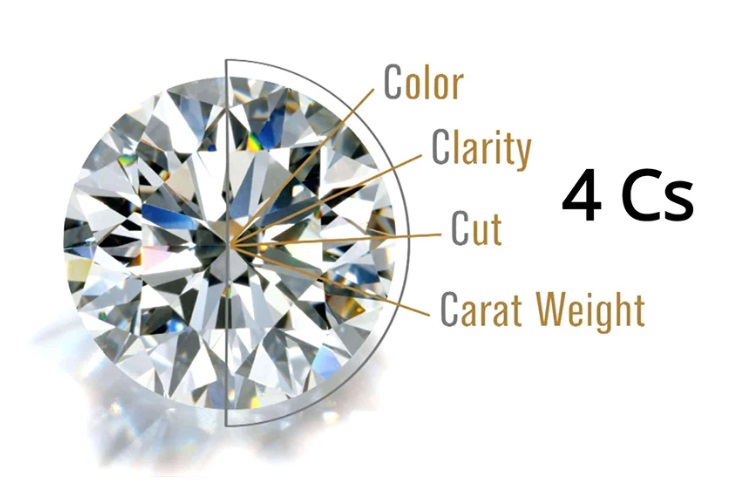
Color, Clarity, Cut, and Carat weight are the four pillars used to judge almost any gemstone, but the way each one is weighted changes depending on whether you're looking at a diamond or a colored stone like a ruby or sapphire.
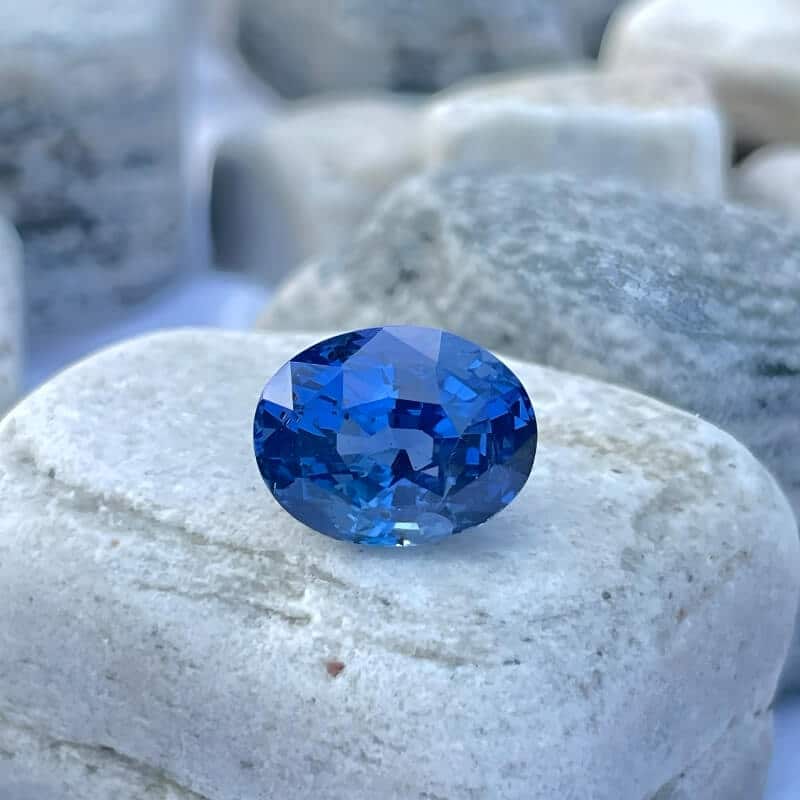
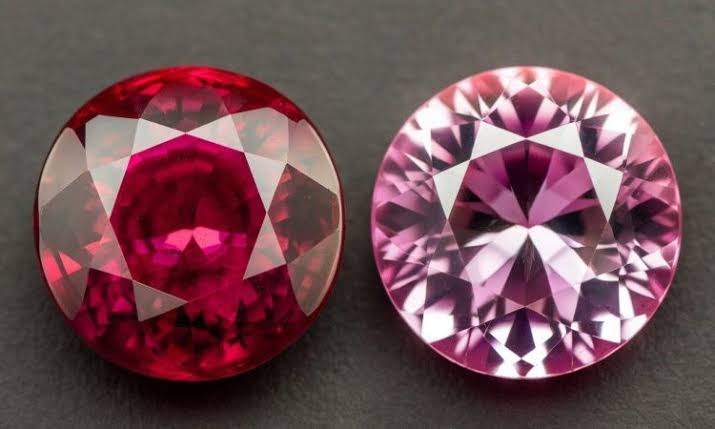
Color comes first for colored gems, full stop. For a sapphire or ruby, an even, saturated hue with good tone — not too dark, not washed out — usually matters more than anything else on this list. Two stones of identical size and clarity can differ enormously in price purely because one has better color.
Clarity is judged more leniently for colored stones than for diamonds. Because natural inclusions are common and even expected, gemologists distinguish between stones that are "eye-clean" (no visible inclusions to the naked eye) and those with inclusions visible only under magnification — both can be perfectly acceptable, and a moderate amount of internal character doesn't necessarily hurt value.
Cut is about more than just shape. A well-cut colored gemstone reflects light evenly across its surface and shows its color to best effect; a poorly proportioned cut can leave a stone looking dull or lopsided in color distribution, even if the rough material was excellent to begin with.
Carat weight is simply the stone's weight — one carat equals 0.2 grams — and larger stones of a given quality are rarer and cost more per carat, not just more overall. Two stones of the same weight can still have very different prices once color, clarity, and cut are factored in, which is exactly why all four Cs need to be considered together rather than in isolation.