Sri Lanka has been a source of fine sapphires for over two thousand years, and the term "Ceylon sapphire" still carries real weight in the gem trade. That reputation is exactly why the name gets attached to stones that have nothing to do with the island. Knowing a few basics can save you from an expensive mistake.
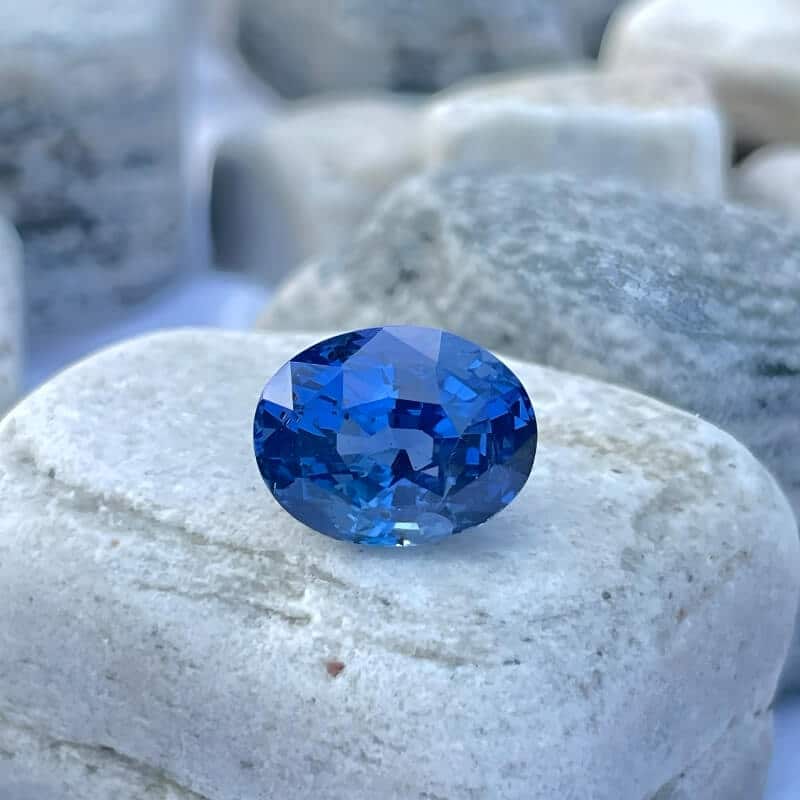
Start with color. Genuine Ceylon sapphires are prized for a soft, velvety blue that sits between the inky darkness of some Australian stones and the almost pastel tone of lower-grade material. Under different lighting, a real Ceylon sapphire should shift subtly rather than looking flat and uniform — a phenomenon gemologists call a good "color change" or "color zoning" depending on the stone.
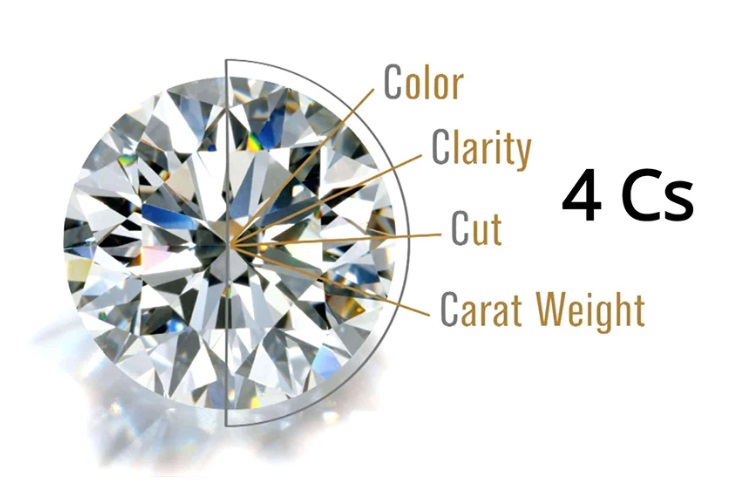
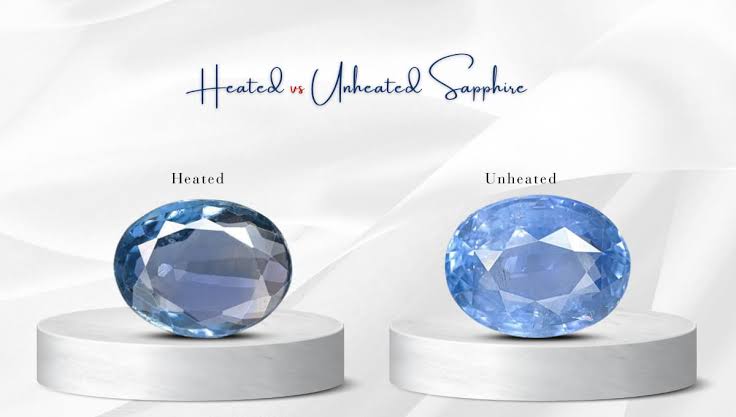
Next, ask for the paperwork. Any reputable dealer will provide a certificate from a recognized gemological laboratory stating the stone's origin, whether it has been heat-treated, and its carat weight. Treatment isn't inherently bad — most sapphires on the market are heat-treated to improve clarity and color — but the certificate should say so plainly. Be wary of anyone reluctant to put it in writing.
Look closely at inclusions, too. Natural sapphires almost always contain microscopic internal features — fine silk-like rutile needles, tiny mineral crystals, or subtle color banding. A stone that looks flawless under magnification is either extremely rare and expensive, or synthetic. Loupe-clean synthetic sapphires are common and far cheaper to produce, so "too perfect" is itself a warning sign.
Finally, buy from someone who can answer questions without hesitation — about origin, treatment, and return policy. A genuine dealer in Ceylon sapphires is usually happy to talk shop; if you want to see a stone in person before deciding, that conversation is also the easiest way to arrange it.